



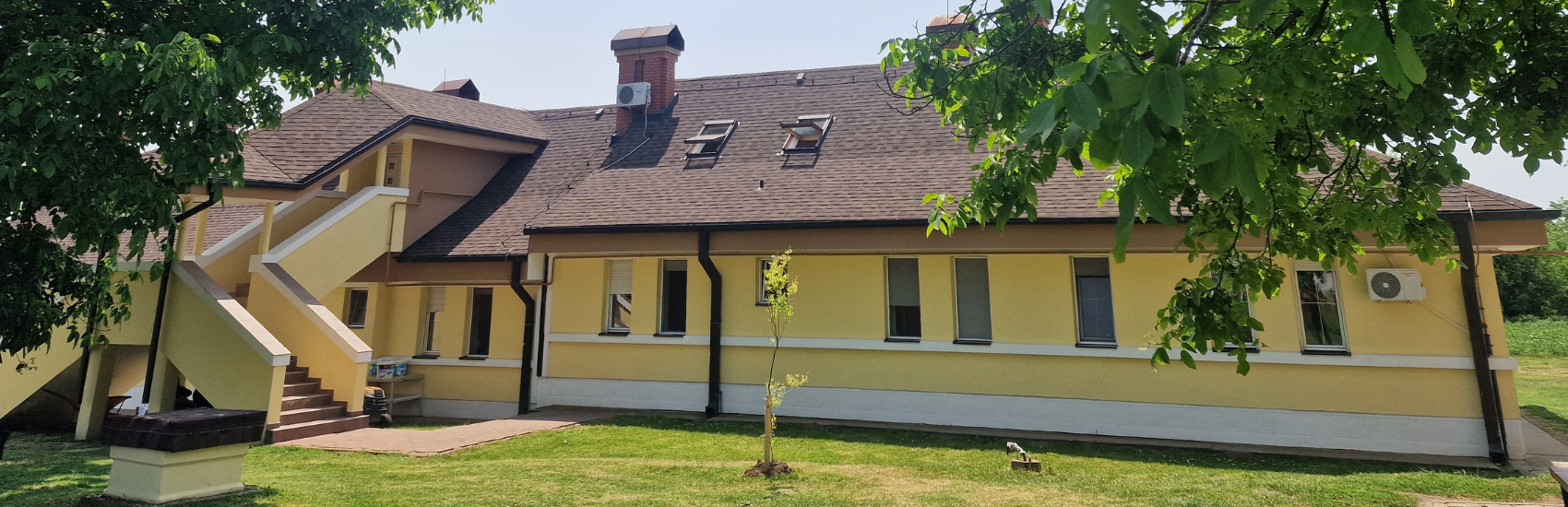

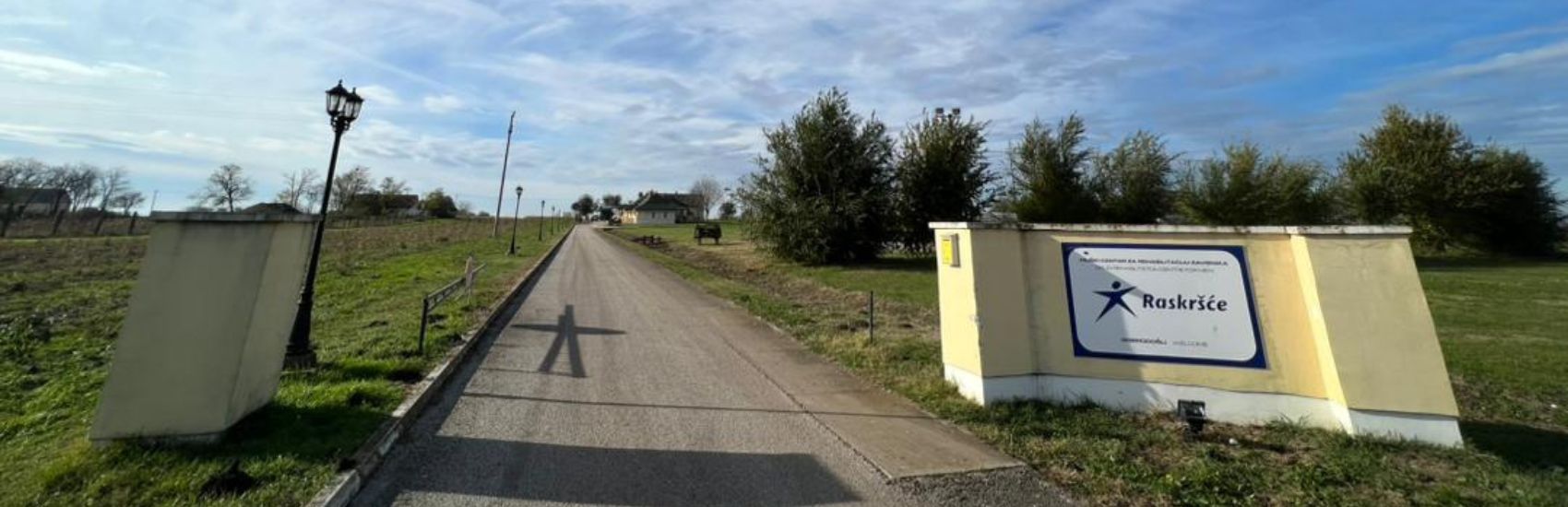
WHY IS RASKRŠĆE DIFFERENT FROM ALL THE OTHER PROGRAMS
Raskršće offers a full therapeutically structured rehabilitation program, with a curriculum, group and personal (individual) work with inmates, personal psychotherapeutic work, support groups, ‘’TURNING POINT’’ and other forms of therapy (sports and work therapy). All activities are led by professional staff with more than 20 years of experience in this field of work with the goal of addicts in the program experiencing real changes. Addicts come to a structured environment with the necessary curriculum and program.
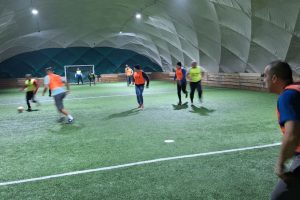
Every morning in Raskršće program there are group and personal lessons, designed to change a person’s way of thinking in order to give up on the drug. Professional staff work with an individual to remove the real cause of the addiction problem. Psychotherapy groups teach the inmates how to change personal traits and develop decent relationships, while work therapy makes a former addict a person who learn how to acquire good working habits, and sport therapy teach them principles of a team work.
There is a big difference between a therapeutic – rehabilitation community and a commune/shelter. Parents should always inform themselves first to realize that isolation itself and physical work have NEVER been the solution for the problem of addiction and therefore they cannot remove the real causes of addiction. In order to expect a person never get back on drugs it is necessary to cover all the aspects through a single holistic rehabilitation program. The percentage of cured addicts in rehabilitation – therapeutic center Raskršće is the highest in the region, and this is because we met all the above differences.
Why loose and throw another several years of life to unsuccessful efforts! With the right choice of rehabilitation, there are much more chance for you to get your child back, cured forever!
Articles
NOVI SAD SUMMIT 2025.
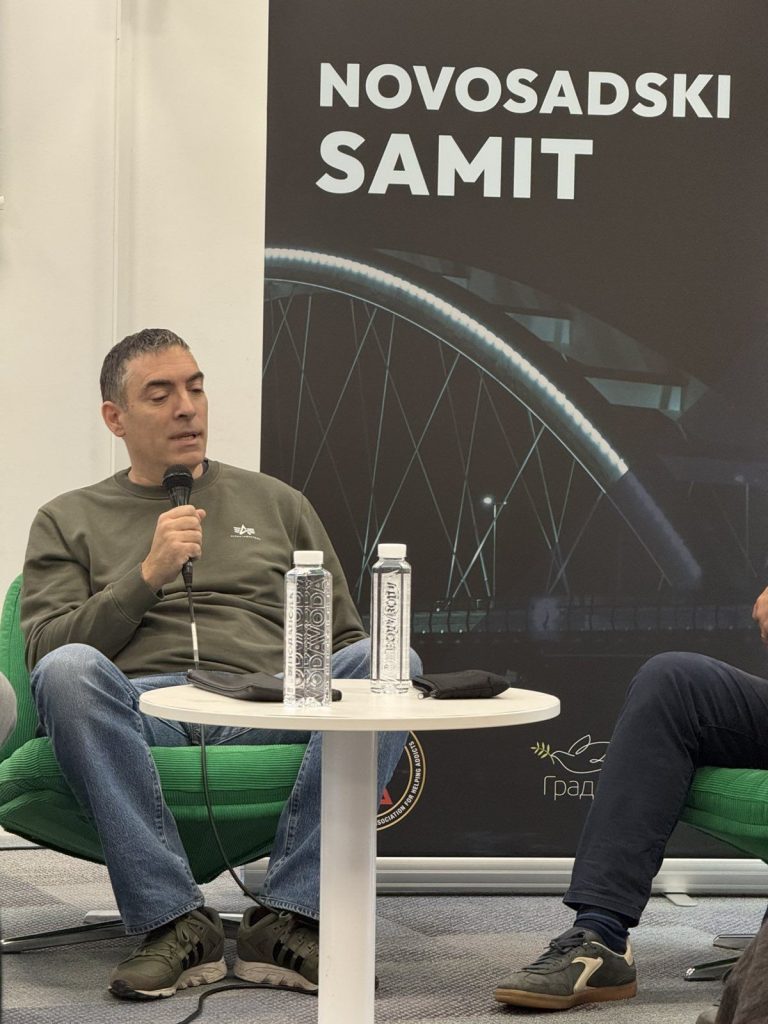
23.12.2025.
Novi Sad summit organized by the association Restart ~ panel discussion on the trials, successes and work of associations dealing with the rehabilitation of drug addicts
SIGNED MEMORANDUM OF COOPERATION
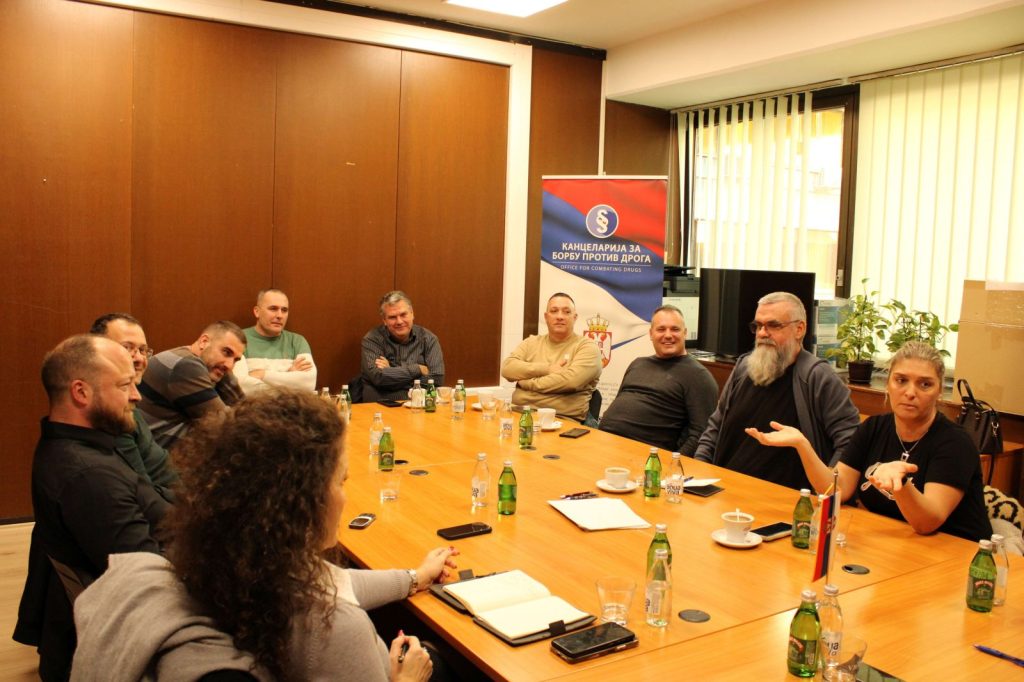
03.11.2025.
SIGNED MEMORANDUM ON COOPERATION WITH THE OFFICE FOR THE FIGHT AGAINST DRUGS OF THE GOVERNMENT OF THE REPUBLIC OF SERBIA. This step represents a significant step forward in improving coordination and building a systemic framework that will facilitate cooperation between state institutions and civil society organizations dealing with drug policy issues. By signing this document, the foundations are laid for the acceleration of future activities in the field of drug abuse prevention and support for persons facing addiction.
RASKRŠĆE DEDICATION DAY

Salaš 276A, Čenej, Serbia
07.06.2025.
After over a year of work, we are excited to celebrate the completion of the renewal of the Crossroads rehabilitation center. We want to thank all of those who have participated in the project.
GALLERY
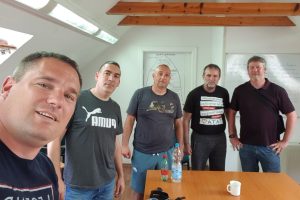
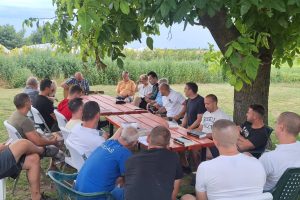
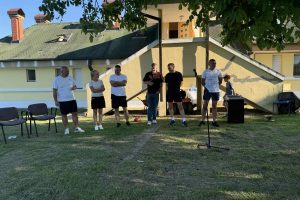
This is who we are
Rehab centar RASKRŠĆE
Video before and after renovation
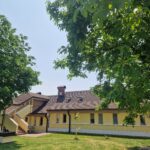
HOW DID THEY SUCCEED
Read life stories of former drug addicts who found the way out of their addiction in the program of Raskrsce – how they felt, what happened to them…
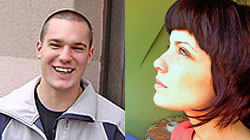
RELAPSE PREVENTION – CONSULTATION
After a period of detoxification and stabilization, our therapist Ivan Kalabrić is involved in rehabilitation.
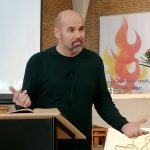
GROUP MEETINGS
The Group Meetings program is led by Draško Orčić and Vlasta Orčić. A married couple with a long streak has been working with people in the process of personal change, recovery and stabilization of life patterns
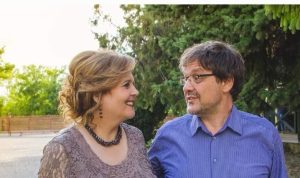
15 vs 15
GRGA AND JIMMY SPENT 15 YEARS IN STATE THERAPY (methadone buprenorphine).
Simultaneously using one of these two state substitutions, they ingest large amounts of beer and sedatives every day, for the reason that methadone and buprenorphine are not the final solution.
For substitution, they say: harm reduction program.
They don’t steal (but resell), they don’t inject (mostly into a vein), so there is no hepatitis…
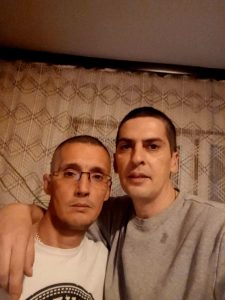
GRGA AND JIMMY
January 2025 – May 2026
15 years versus 15 months
Raskršće / Crossroads
It is possible!
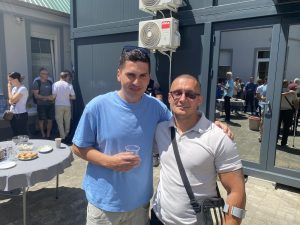
Stanislav Davidović Cane
My name is Cane and in September 2003 when this video was made I was desperate. I spent 15 months in Raskrsće. Today I am happy and satisfied.
Transportation service
In case that you are unable to bring the person who needs our program, Raskrsće offers you a transport service to our rehabilitation centers with a fee whose tariff is determined depending on the distance of the city.
Help for addicts
Become a Partner
The Association for Helping Addicts “Raskrsće” [Crossroads] exists to bring hope and freedom to those in addiction. Voluntary contributions and donations help maintain the program and make it accessible to those with limited financial resources. We would like to invite you to help bring freedom to others in addiction in one of two ways.
1. Commit to regular prayer for those seeking help. We believe that God holds the key to freedom and restoration.
2. Commit to regular financial support each month for this year. You can help cover some operating costs, which will help us to make the program affordable to everyone who seeks help. Please consider helping in some way. Maybe you could buy a meal for all the men once a month, or pay the electricity bill for a week.
3. Commit to practical support. This can be in the form of volunteering or non-monetary donations (for example food, produce, etc.)
